The “Super-Connector” Agency: What Title Leadership Means in 2027
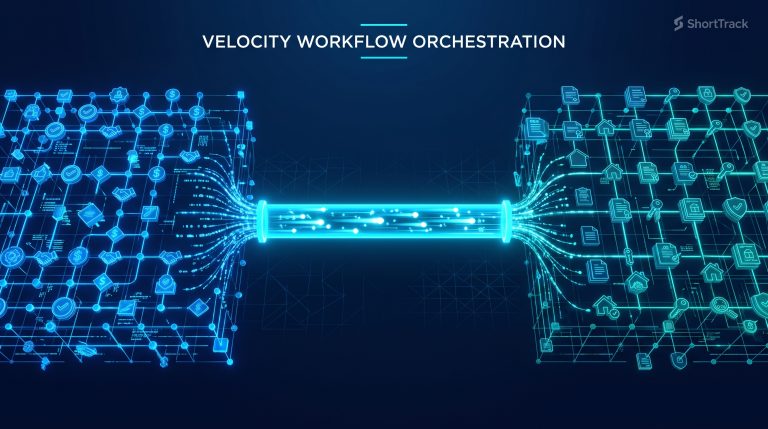
As we pack our bags and prepare to gather in Scottsdale for ALTA ONE, the conversations happening in executive boardrooms are undergoing a fundamental shift. For the past ten years, the industry’s primary objective was basic digitization—moving away from paper and adopting specialized software. Today, true Title Leadership is no longer defined by how many point solutions an agency can purchase, but by how seamlessly those solutions are orchestrated.
The era of merely adopting technology is over. The agencies poised to dominate in 2027 are transitioning from being digital operators to becoming “Super-Connectors”—organizations built on a unified, interconnected architecture.
The Limits of Basic Digitization
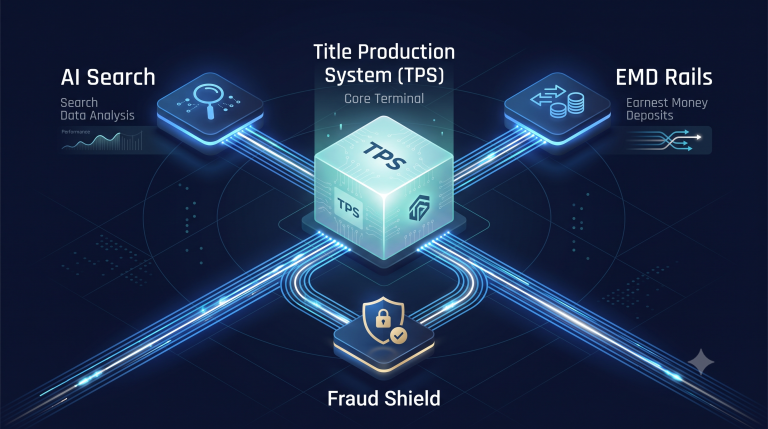
The push for digital transformation led to an explosion of incredible, best-in-breed tools. We saw the rapid adoption of AI-assisted search intelligence, autonomous wire fraud prevention, and real-time Earnest Money (EMD) rails. These innovations were necessary responses to a complex and dangerous real estate landscape.
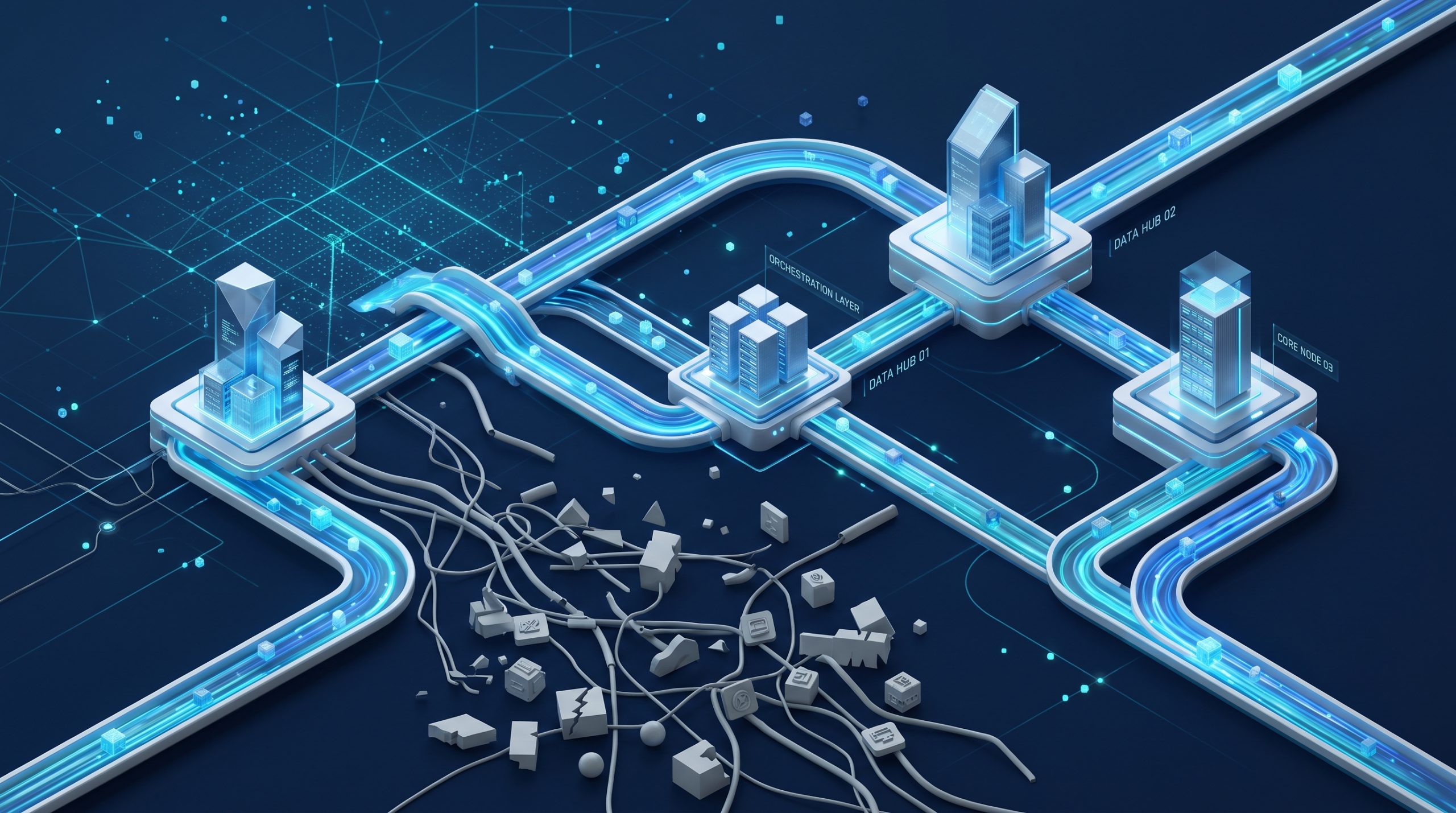
However, this rapid acquisition often created the “Vendor Paradox”. Instead of accelerating operational velocity, adding highly specialized, disconnected solutions began to slow teams down. The average enterprise now manages hundreds of different applications, creating a fragmented “Source of Truth”. When critical data lives in a specialized fraud portal, a separate search repository, and a standalone payment app, your team is forced to act as “human middleware,” manually bridging the gaps between disconnected databases.
This fragmentation results in a massive cognitive load, or a “Swivel Chair Tax,” where context-switching between tabs can reduce a professional’s productive time by up to 40%. Title agencies digitized their workflows, but in doing so, they inadvertently built islands of excellence that lack a coherent bridge.
Crossing the Digital Property Line
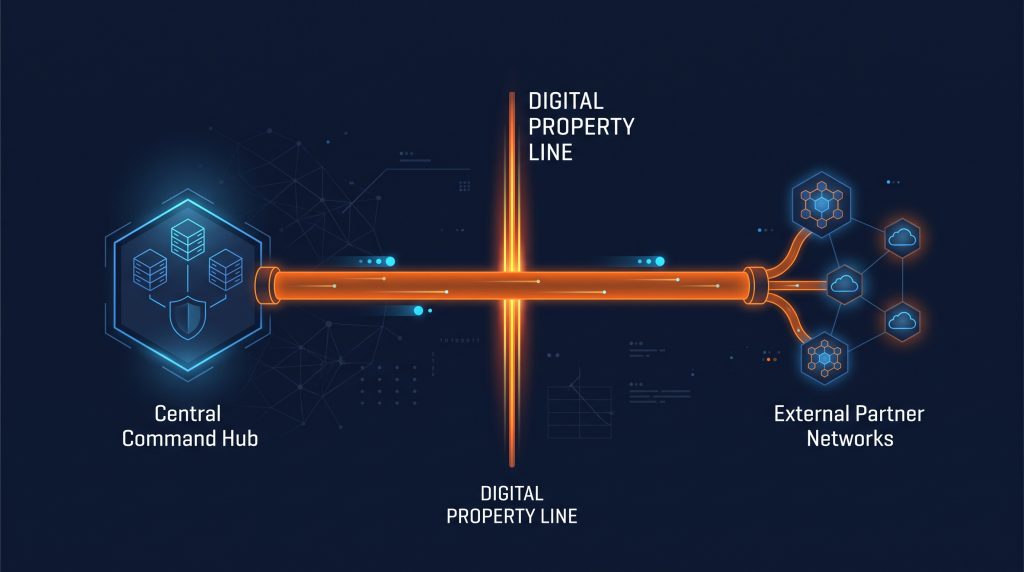
The internal efficiencies of a modern Title Production System (TPS) are undeniable. However, the real estate transaction is a team sport. The boundary of even the most sophisticated internal system is your agency’s “Digital Property Line”.
Once an agency needs to interact with the outside world—a lender in their Loan Origination System (LOS), an underwriter generating a CPL in a separate portal, or a banking core executing a wire—the unified experience breaks down. Without an agnostic conduit, highly skilled title professionals are forced into manual workarounds to move data across this line.
In 2027, competitive advantage relies on syntactic interoperability. According to recent Gartner research on enterprise composability, organizations that prioritize agile, API-driven orchestration over rigid, monolithic systems outpace competitors in execution speed by 80% [1]. To scale without linearly increasing headcount, agencies must ensure that data flows unobtrusively across their operational perimeter.
The Architecture of Orchestration
The Super-Connector agency does not just buy software; it architects an ecosystem. By prioritizing orchestration over basic integration, these agencies transform their TPS from an isolated command center into a high-speed transit hub.
When your infrastructure is truly connected, the ROI of your specialized tools is finally unlocked:
- From Lenders to Title: Order data, milestone updates, and closing documents move from the lender’s LOS directly into the TPS instantly, removing friction for your most valuable clients.
- AI-Assisted Operations: AI tools scan hundreds of pages of search results to highlight exceptions. Orchestration ensures these insights are delivered natively back into the TPS, allowing the AI to prep the exam while the human focuses on the resolution.
- Synchronized Ledgers: Fintech solutions connect directly to banking cores and the TPS, keeping real-time money movement synchronized at funding without manual reconciliation.
ALTA’s own operational metrics indicate that agencies minimizing manual data entry points significantly reduce wire fraud vulnerabilities and compliance errors [2]. Security is no longer just about having the best defensive portal; it is about ensuring sensitive Non-Public Personal Information (NPI) never has to leave a secure, encrypted conduit to reach its destination.
The Road to Scottsdale
Technology must act as a force multiplier. As title leaders convene at ALTA ONE, the strategic imperative is clear: stop collecting siloed tools and start building a unified ecosystem. The Super-Connector agency of 2027 will win by being the easiest partner to do business with, leveraging connected architecture to move data flawlessly from the first contract to the final wire.
If you are ready to eliminate the friction at your Digital Property Line and orchestrate your tech stack for the future, let’s connect in Arizona.
Meet Us at ALTA ONE in Scottsdale: Click Here to Book an Appointment
References
- Gartner. (2026). Enterprise Integration & Composability Study. https://www.gartner.com/en/information-technology
- American Land Title Association (ALTA). (2026). Cybersecurity and Operational Metrics Report. https://www.alta.org/research