The Learning Curve of the “Digital Property Line”
The real estate technology landscape moves fast. Every year, a wave of enthusiastic, highly capitalized software startups enters the space determined to “disrupt” the settlement ecosystem. They arrive with elegant user interfaces, advanced machine learning engines, and an admirable passion to change the world.
As an industry, we welcome this “New Blood.” Fresh ideas are the absolute lifeblood of progress.
However, as the summer heat sets in and the initial trade show excitement cools, many newcomers encounter a well-documented psychological journey known as the Dunning-Kruger Effect.
Understanding the Confidence Gap
First identified by psychologists David Dunning and Justin Kruger in their seminal 1999 study, this cognitive phenomenon describes a simple reality of human nature: when individuals first enter a highly complex, specialized field, they tend to overestimate their competence because they do not yet possess the deep domain experience required to see how nuanced the landscape actually is [1].
In PropTech, this curve manifests in a predictable way. From the outside, the title industry looks like a straightforward data-entry and storage problem. New entrants see dual monitors, manual re-keying, and archaic county recorder portals, and assume the solution is simply a matter of “going digital.”
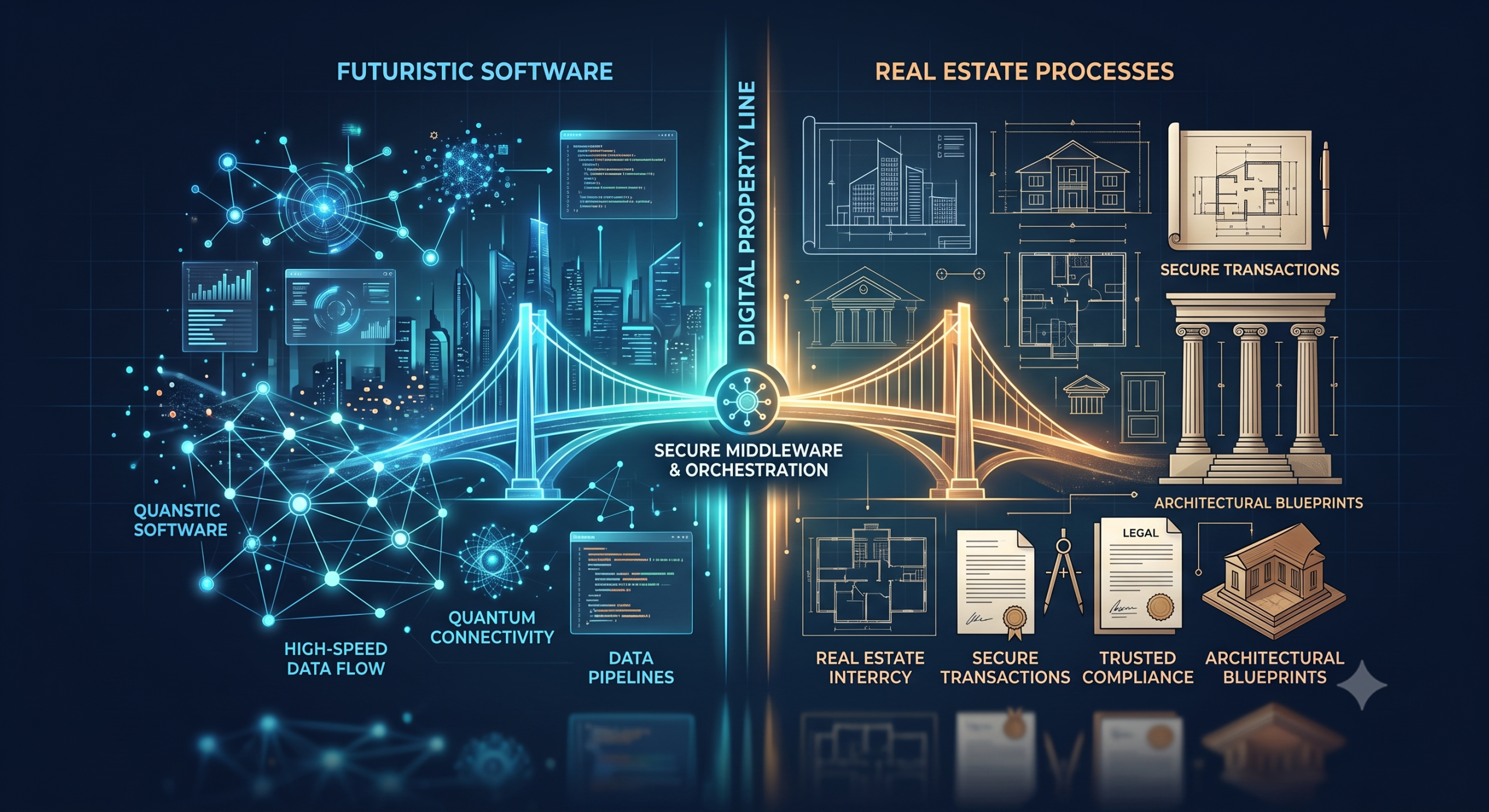
They don’t initially see the Digital Property Line—the invisible, high-voltage boundary woven out of varied state regulations, hyper-local closing customs, underwriter mandates, and decades of legacy Title Production System (TPS) architecture.
“Title Fears Disruption”
Nearly 15 years ago, a veteran from Chicago Title leaned across a conference table and delivered a line that permanently rewired my approach to technology:
“‘Unlike the tech community, Title fears disruption. We don’t want things broken; we want them better.”
At the time, my technology-driven mind bristled at the statement. I thought it sounded like a resistance to change. A decade and a half later, I realize he was expressing the profound, risk-mitigation soul of the industry.
Title professionals are the guardians of the largest financial asset in most Americans’ lives: property ownership. In an ecosystem where an overlooked judgment or an unrecorded easement can result in millions of dollars in losses, “breaking things to fix them” isn’t a bold tech strategy—it’s an unacceptable liability.
True progress in this industry doesn’t occur by knocking down the Digital Property Line; it occurs by respecting it.
Where “New Blood” Meets “Old Souls”
As tech providers advance past the initial phase of the learning curve, they hit what organizational psychologists call the “Slope of Enlightenment.” [2] They realize that having a brilliant standalone feature isn’t enough to survive.
If a revolutionary software tool forces an escrow officer to leave their native TPS environment, open another browser tab, and log into an isolated portal, that tool will face immediate operational rejection. The human mind can only take so much fragmentation before portal fatigue sets in, causing the team to slip back into comfortable, manual habits.
This is the exact junction where innovation meets Title Automation.
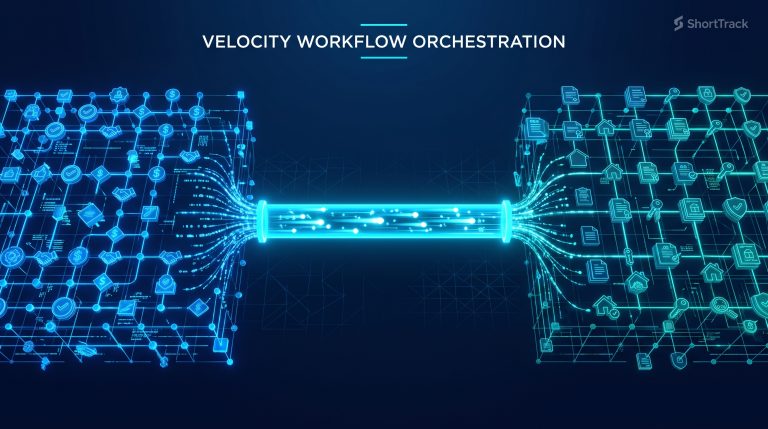
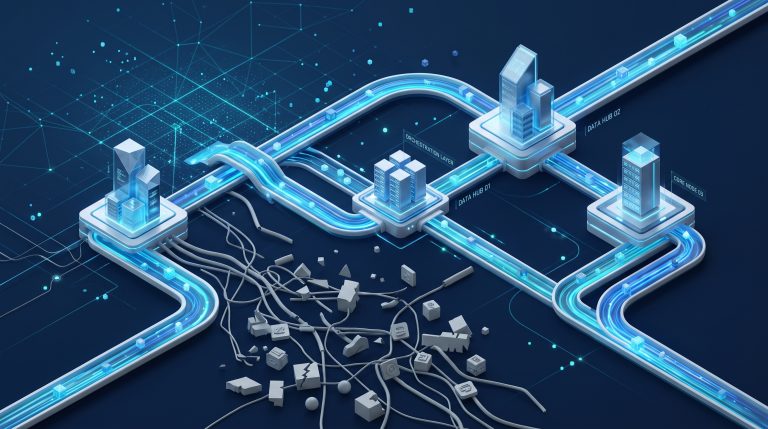
The goal of modern technology shouldn’t be to disrupt the title agent; the goal must be to Orchestrate their tools. The most successful software companies in 2026 are those that partner with legacy systems rather than trying to overwrite them. They understand that real data velocity is achieved by placing an agnostic, secure middleware conduit at the center of the transaction to allow external data to pass through the perimeter automatically.
The Speed of Trust
Change is happening in the title space, but it happens at the speed of trust.
We need the energy, the capital, and the technological savvy of the newcomers. But for that technology to deliver true operational ROI, it must be anchored by the wisdom of the industry’s diehards.
When we marry the bold vision of modern engineering with the disciplined, risk-averse expertise of veteran title operations, we stop creating fragmented friction points. We build a connected, frictionless future that honors the past while accelerating tomorrow.
References
- [1] Kruger, J., & Dunning, D. Unskilled and unaware of it: How difficulties in recognizing one’s own incompetence lead to inflated self-assessments. Journal of Personality and Social Psychology, 1999. (The foundational psychological study introducing the framework for the domain-expertise learning curve).
- [2] Ehrlinger, J., Johnson, K., Banner, M., Dunning, D., & Kruger, J. Why the Unskilled Are Unaware: Further Explorations of Self-Insight Among the Incompetent. Organizational Behavior and Human Decision Processes, 2008. (Examining how real-world organizational feedback loops help professionals navigate complex, specialized operational fields).